Why the future of work requires a more adaptive organization
Screenshot
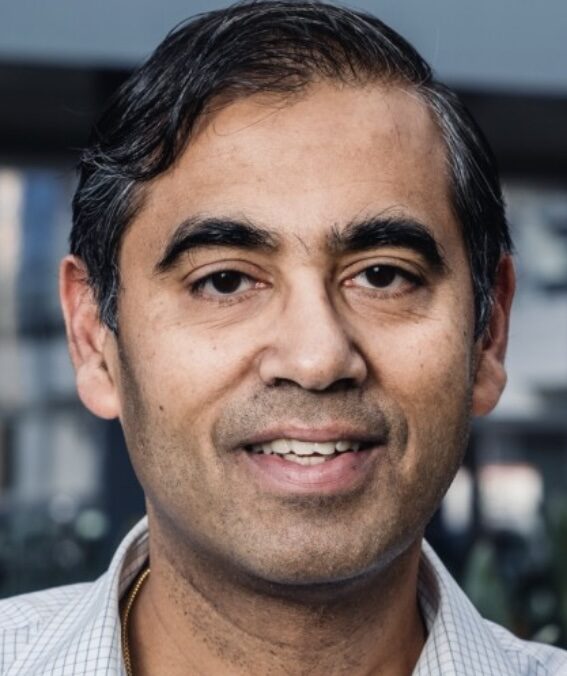
Ashutosh Garg, CEO and Co-founder, Eightfold AI
When organizations talk about preparing for the future of work, the conversation almost always focuses on employees. We encourage people to learn new skills, embrace change, and prepare for new ways of working. Those are all important priorities, but I believe they overlook a more fundamental question: is the organization itself designed to adapt?
Too often, organizations ask employees to be adaptable while continuing to operate with rigid job architectures, limited visibility into skills, and slow internal mobility. That’s a difficult contradiction to overcome. In my experience, adaptability is not simply an employee capability. It’s an organizational capability.
Employees can only adapt as quickly as the systems around them allow. If an organization cannot see skills, recognize adjacent capabilities, and continuously connect people to changing work, asking employees to be adaptable is asking them to succeed within a system that isn’t designed to support them.
From workforce planning to workforce adaptability
One of the biggest shifts I’ve seen is that workforce planning is no longer just a forecasting exercise. It’s becoming a capability-building exercise. Executive conversations are no longer centered solely on hiring plans, headcount, and retention. Increasingly, they’re about how work itself should be redesigned as AI changes what can be automated, where human judgment creates the greatest value, and how organizations can continuously align skills with changing business priorities. That requires organizations to build the capability to see skills, understand potential, and redeploy talent as business needs evolve.
That shift has changed my own thinking as well. Earlier in my career, I viewed hiring as the primary way to address capability gaps. Today, I think the organizations that perform best combine great hiring with a deep understanding of the talent they already have. When leaders have visibility into the skills, potential, and adjacent capabilities across their workforce, they can make better decisions about hiring, developing existing employees, creating opportunities through internal mobility, and planning for future workforce needs. Visibility improves the quality of every workforce decision.
How adaptive organizations operate
Adaptability becomes real when it changes how decisions are made. The organizations making the greatest progress are building operating models around skills rather than relying solely on static job architectures. In practice, they consistently:
- Review work in terms of skills and tasks, not just job titles
- Look across both internal and external talent markets before making workforce decisions
- Connect learning directly to opportunities for growth and redeployment
- Give managers greater visibility into the capabilities and adjacent skills across their teams
- Deliberately distinguish where AI should improve execution and where people create value through judgment, creativity, and collaboration
Individually, these practices improve workforce decisions. Together, they create organizations that can respond more quickly and confidently as business needs evolve.
What HR leaders should do next
Building a more adaptive organization doesn’t begin with a large transformation program. It begins with changing the way workforce decisions are made.
One of the questions I would encourage every leadership team to ask is this: If your highest-priority role opened tomorrow, how quickly could you identify people inside the organization with the adjacent skills to succeed in it? If that answer isn’t clear, the challenge may not be talent scarcity. It may be talent visibility.
That shift in thinking changes the conversation. Instead of asking only how many people the business needs, leaders begin asking what work needs to be done, which parts should be automated, what skills already exist across the workforce, and where those capabilities can be applied before looking outside the organization. In practice, that means reviewing workforce plans through a skills lens, considering internal talent alongside external candidates, and connecting learning directly to emerging business needs rather than treating it as a separate initiative. Hiring remains an essential part of any workforce strategy, but it becomes one of several informed decisions rather than the default response to every capability gap.
Organizations don’t become adaptive simply because they train more people or invest in more technology. They become adaptive because they build systems that continuously connect skills to changing work*. In the future of work, the organizations that lead will be those that build adaptability into how they plan work, develop people, and make workforce decisions.
*https://eightfold.ai/blog/hr-system-talent-intelligence-future-workforce/