Government’s £15m misogyny pledge sets the scene for more ambitious workplace harassment prevention
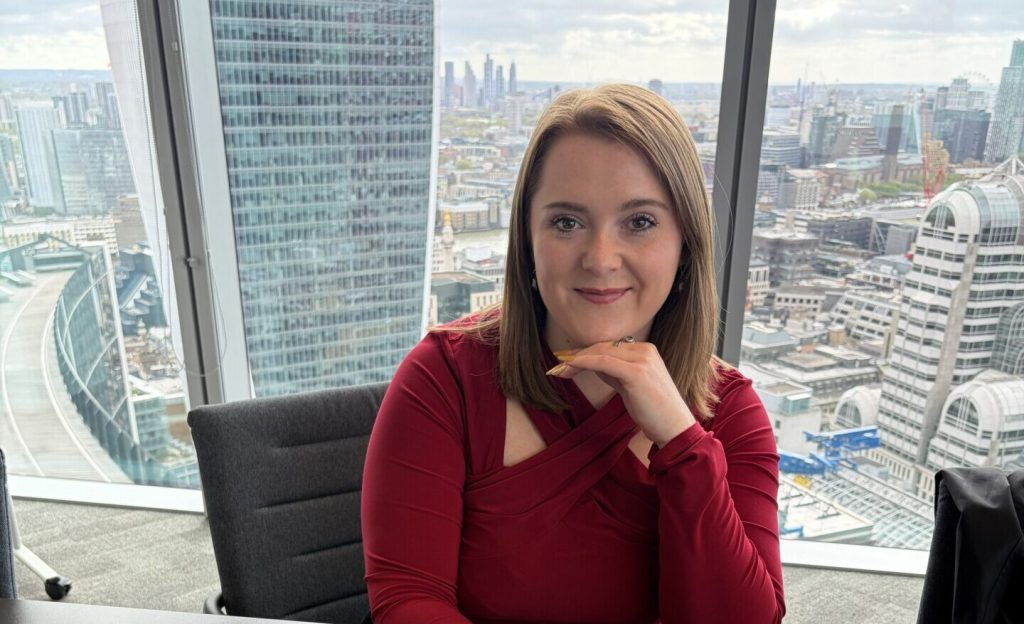
Written By Chloe Wallace, Founder of OneSource HR and Scenari
The Government’s announcement last week of a £15 million fund to prevent misogyny across schools, workplaces and communities is an important development, not least because it recognises that preventing harm requires us to challenge the attitudes and behaviours that enable it, at work, specifically.
With workplace training among the potential interventions identified, and the strengthened all reasonable steps duty now in force, this pledge presents a timely opportunity for HR leaders to look beyond legal compliance and consider whether their organisations are doing enough to understand and address the cultural conditions that contribute to sexual harassment and misconduct.
Prevention begins by recognising the interconnectedness of different types of harm
The continuum of harm provides a useful framework for understanding how gender stereotypes feed everyday sexism, misogyny and harassment related to sex and sexual harassment, and how these behaviours are interconnected within wider workplace cultures.
At the foundation are deeply ingrained assumptions about men and women, how they should behave, the roles they should occupy and the characteristics society values or discourages. These stereotypes can manifest in everyday sexism.
Everyday sexism is not necessarily minor, nor is it automatically below the threshold of unlawful harassment. Harassment related to sex and sexual harassment are legally distinct, but often share underlying attitudes about gender, entitlement and power. When sexist behaviours are normalised or left unchallenged, they can reinforce environments in which sexual harassment and other forms of sexual misconduct are more readily tolerated or excused.
The continuum of harm helps us understand these connections without suggesting that harm follows a predictable or inevitable progression. It encourages employers to look beyond individual incidents and examine how organisational norms, power structures and tolerated behaviours contribute to risk.
The ambition of prevention should not simply be to stop conduct once it becomes unlawful, but to challenge the attitudes and conditions that enable harm in the first place. That’s why training that focuses on examples of sexual harassment, but not the harmful attitudes that feed everyday sexism, is arguably unambitious and ineffective.
Expanding our understanding of workplace risk
The Government’s commitment provides an opportunity to think more ambitiously about workplace risk assessment.
Employers are increasingly familiar with the requirement to identify circumstances in which there are perceived vulnerabilities which a perpetrator could exploit, for example, lone working, alcohol-related events and workplace power imbalances. However, underlying attitudes within a workforce are rarely considered.
Questions to ask include:
• How do we assess whether deeply entrenched gender stereotypes are influencing behaviour?
• How do we identify environments where particular masculinity norms are reinforced, potentially creating additional risks for women and men alike?
• How do we establish whether employees feel socially or professionally able to recognise and challenge everyday sexism?
These questions rarely feature prominently in conventional risk assessments, but they could provide valuable insight into the cultural conditions within which harassment may occur.
Moving from compliance to meaningful behavioural change
The introduction of the all reasonable steps duty on 30 October reinforced the importance of taking a proactive, organisation-specific approach.
The strengthened legislation does not prescribe misogyny prevention programmes or mandate a particular training model. The steps considered reasonable will depend on an employer’s circumstances and the risks it faces. I would argue that risk identification should start with understanding the demographic profile within the organisation, and knowing what underlying attitudes are informed by that demographic.
This would allow examination of the power dynamics that influence whether employees feel able to intervene, and how seemingly minor behaviours shape wider cultural expectations.
To demonstrate all reasonable steps, employers should evaluate changes in underlying attitudes and confidence and behaviour, rather than relying exclusively on training attendance, comprehension tests or completion rates.
These are examples of the more ambitious, evidence-informed preventative measures that organisations could consider as part of meeting their responsibilities.
An opportunity to be ambitious and raise expectations
Employment does not exist separately from wider society. The gender stereotypes, misogynistic attitudes and beliefs about masculinity, femininity and power that exist within our communities are often reinforced through workplace cultures, behaviours and expectations.
It remains to be seen how the Government’s £15 million commitment will translate into workplace interventions, or which organisations will ultimately benefit from the funding. What is clear, however, is that expectations around workplace sexual harassment prevention are increasing, with the strengthened duty to take all reasonable steps signalling a more demanding approach to employer accountability.
This is an evolving landscape, and employers should be prepared to evolve with it. Meaningful prevention requires us to look beyond unlawful conduct itself and consider the attitudes, behaviours and cultural conditions that allow it to flourish.
Featured Photo: Chloe Wallace, Founder of OneSource HR and Scenari – Trauma-Informed HR & Workplace Investigations