Why So Many “Perfect” Hires Fail
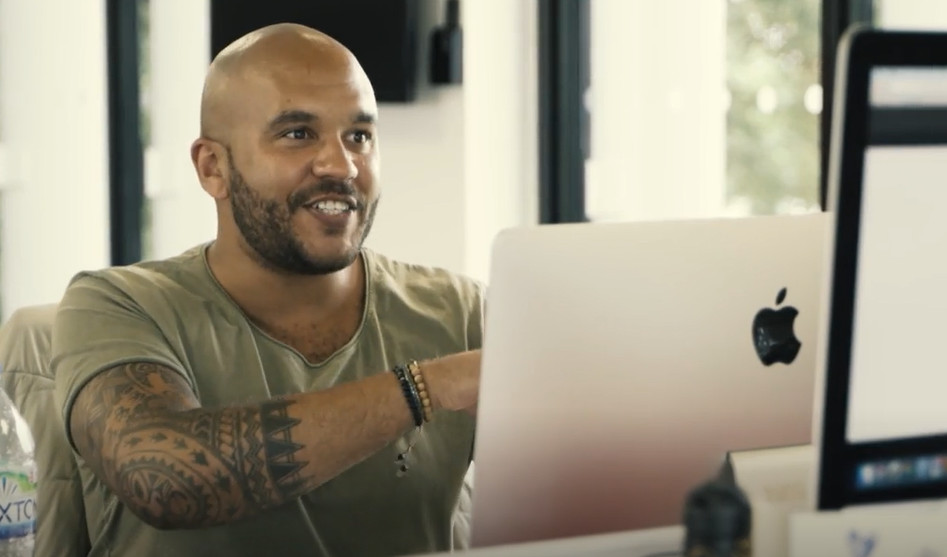
Written by Lukas Vanterpool, co-founder of The Sterling Choice. Lukas specialises in recruitment and workforce strategy, helping organisations in the food and beverage, CPG, manufacturing, engineering, water, wastewater, and utilities sectors solve complex hiring challenges and build stronger teams
Every time I see the phrase “must be able to hit the ground running” in a job advert, I cringe.
Most employers view the candidate who can step into a role and perform immediately as the safest possible hire. They want someone with the exact experience, the right industry background, and a proven track record of doing the job before – A.K.A the perfect hire.
This is understandable, but in practice, it often creates a different problem.
The candidate who can do the job with their eyes closed on day one is often the candidate with the least room to grow.
In a workplace where retention, adaptability, and long-term performance matter more than ever, that can become an expensive mistake.
The Perfect Fit Paradox
Many hiring processes are built around one assumption: the closer a candidate matches the job description, the more likely they are to succeed.
That’s why employers place so much emphasis on exact experience, industry knowledge, employer pedigree, and years spent in similar roles.
But experience only tells you what somebody has done before. It doesn’t tell you how they’ll respond when priorities change, resources tighten, or the role evolves.
What’s more, what initially looks like a successful hire can quickly become a disengaged employee if the role offers little opportunity for growth, development, or progression. That’s when your hiring challenge morphs into a retention challenge.
In many cases, employers aren’t losing talent because they hired the wrong person. They’re losing talent because they hired someone who had already outgrown the role before they even started.
Why This Problem Is Getting Worse
Businesses move faster than they did a decade ago. Priorities shift more frequently, transformation has become a constant rather than a one-off event, and employees are increasingly expected to solve problems outside their formal responsibilities.
Yet many hiring processes still operate as though jobs are static.
The reality is that the average role now evolves faster than most job descriptions. The person who accepts a role today may be doing a noticeably different version of that job twelve months later.
That’s why adaptability, learning ability, and resilience are increasingly valuable. Employers aren’t just hiring people to do the job as it exists today. They’re hiring people to grow with whatever the business becomes next.
Those qualities are much harder to measure than experience alone.
Recruitment Is Reinforcing the Wrong Behaviours
Technology has made recruitment faster, but it hasn’t necessarily made it better.
Many organisations now rely heavily on applicant tracking systems, AI screening tools, and keyword matching to identify candidates. These systems are designed to find similarity.
· Matching job titles.
· Matching qualifications.
· Matching industry experience.
· Matching keywords.
But matching keywords isn’t recruitment, really understanding people and roles is, and that’s sometimes where expert recruitment partners can help optimise hiring strategies.
The irony is that many businesses say they want adaptable, resilient employees who can grow with the organisation. Then they use hiring processes that prioritise candidates who look most similar to the job description.
Those aren’t always the same people.
Hire For Growth, Not Perfection
One of the most useful hiring principles I’ve seen is what I call the 70% rule.
Instead of looking for candidates who tick your every box, look for candidates who tick seven out of ten and have the potential to grow into the rest.
That doesn’t mean lowering standards, it means recognising that future performance often matters more than past performance. A Deloitte survey of Gen Z workers showed that when asked the strongest reasons they chose to work for their current employer, learning and development is in the top three. With Forbes also reporting that Gen-Z will soon make up 30% of our workforce, eliminating growth opportunities essentially signals “Gen-Z need not apply.”
The strongest employees aren’t always the ones who arrive fully formed. They’re often the people with enough experience to contribute immediately and enough ambition to keep developing long after they’ve started. Increasingly, the organisations achieving the best hiring outcomes are hiring for potential rather than hiring solely for experience.
I’ve come to realise that organisations get into trouble when they focus exclusively on buying talent instead of building it.
The Best Hire Isn’t Always the Safest Hire
The challenge facing employers isn’t a shortage of capable people.
It’s that many hiring processes are still optimised for finding people who look right rather than people who are likely to succeed.
Experience still matters. Expertise still matters. Technical capability still matters.
But the hiring signals employers have traditionally trusted most are becoming weaker predictors of success on their own. Future performance, adaptability, and growth potential are becoming equally important.
The organisations that are consistently building strong teams are doing so because they are better at spotting potential before everyone else does.
Let’s face it, the candidate who can hit the ground running on day one isn’t always the candidate who will still be running eighteen months later. In a labour market increasingly defined by retention, adaptability, and continuous change, that distinction matters more than ever.