The Job Market Has Changed Forever And You Better Adapt
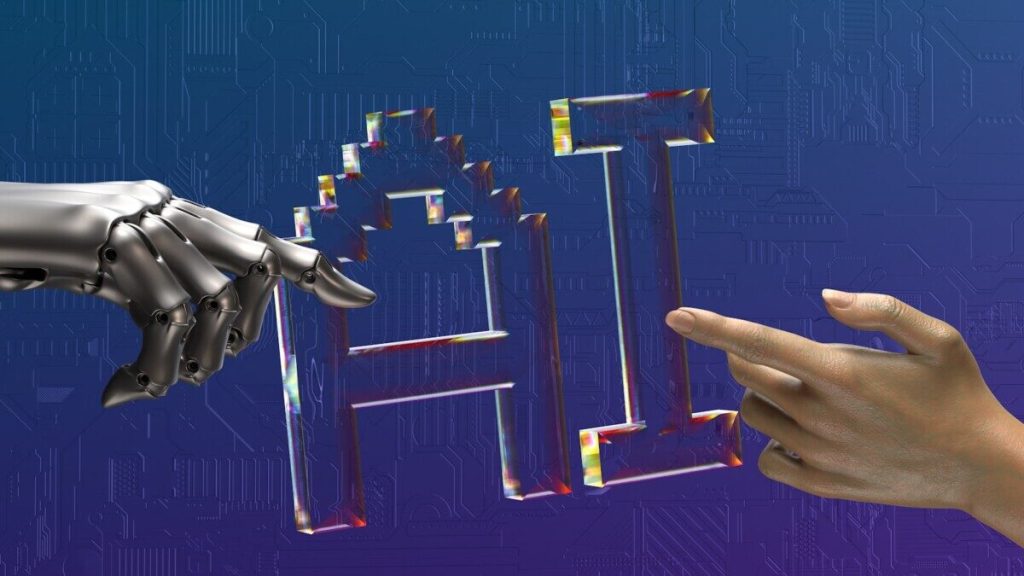
The HR and recruitment industry is undergoing the biggest change it has seen in centuries. Employer ATS platforms now screen applicants using sophisticated AI models and metrics, with very little human oversight, to maximize efficiency during the initial stages. Applicants on the other side of the equation have become resourceful too: to beat AI systems, they have turned to AI. It is now a case of AI reviewing AI-generated applications, a sort of machine-versus-machine situation. Framing and presentation are now a given. Unique backgrounds, experiences, and university brand names are becoming ever more important and are valued at a premium in a world where ChatGPT can only take a candidate so far. Soft skills, rather than technical skills, are what separate the great from the average.
The AI revolution has caused a seismic shift in every industry and has changed the power dynamics in a profound way. Hiring for entry-level roles has essentially halved, and being talented isn’t merely enough anymore; you need to put your name out there in non-conventional and rather creative ways. I graduated in ’17 myself, with a Bachelor of Science degree from an average university, with a terrible GPA. I landed a graduate job within weeks of final exams: applied online, interviewed, got offered the role a few weeks later. A story like that would be virtually unheard of today. The market paints a very different picture today, and the golden days (from the perspective of employees, rather than the employer) will never come back.
Mass applying online doesn’t work anymore for the average graduate. Getting hired has become all about referrals, relationships and networking. Blue-collar professions, once looked down upon, are very likely to create the next generation of millionaires. LinkedIn has matured, it is much more readily available and has a greater reach than ever. Combined with a very challenging economic environment, global wars back on the horizon and pandemics, the future is becoming uncertain.
Recent research and studies have shown that since the COVID pandemic, the general population now believes that attending college and earning a degree is not worth it anymore financially. In other words, it is not the ticket it once was into the middle class. ChatGPT and commercial AI platforms cannot replace a college education and experience, and it won’t ever turn someone uneducated into someone educated. However, it has plainly simply massively reduced the need for white-collar roles and knowledge-based work. What once required a full production deployment can now be achieved with a team of AI agents and an experienced industry professional. While the digital revolution and the information age have created many more opportunities than it took away, the same thing cannot be said about the AI revolution.
Many struggle with anxiety and varying levels of depression, and even those at top-tier universities often find it difficult even to land unpaid internships. A perfect storm has come together: the most impactful technological innovation in history unfolding, global conflicts on the rise and the economic environment among the most challenging in decades. Major crises in the past such as the dot-com bubble, the global financial crisis of 2008–09, or the COVID-19 pandemic, while all significant at the time, have seen the job market recover fairly quickly. Today’s situation is unlike any.
Given all the above, my advice would be to look for alternative solutions. Get creative (whatever that means for a young professional – starting a business or changing direction and going into an entirely different field) and open minded about different paths. If there was ever a good time to embark on a master’s degree, it is probably now, so do it if you can. Think about strengths and weaknesses, and where you have a competitive edge. Above all: build relationships and a network relentlessly: it is what will make all the difference.